As health care leaders from across Michigan prepare to gather on Mackinac Island later this month, there is no shortage of issues competing for their attention.
Reimbursement pressures continue to challenge financial sustainability. Workforce shortages remain a persistent concern. Technology is reshaping care delivery. Strategic partnerships and affiliations continue to evolve. At the same time, regulatory oversight continues at unprecedented levels.
While every health care organization faces its own unique circumstances, we have found that many leadership conversations ultimately return to a small number of fundamental questions.
As members of Warner Norcross + Judd's health care, transactions, litigation, and immigration teams prepared for this year's Michigan Health & Hospital Association Annual Membership Meeting, we asked ourselves a simple question:
What Are the Most Important Questions Health Care Leaders Should Be Asking Right Now?
The answers varied based on our respective disciplines, but one common theme emerged: the challenges facing health care organizations today rarely exist in isolation. Legal, regulatory, operational, workforce, and strategic issues are increasingly interconnected, making a multidisciplinary perspective more important than ever.
The four questions that follow reflect different perspectives on the challenges facing health care organizations today. Taken together, they illustrate the complex and interconnected considerations health care leaders must navigate to position their organizations for long-term success.
Can Your Organization Continue to Fulfill Its Mission Under Its Current Reimbursement Model?
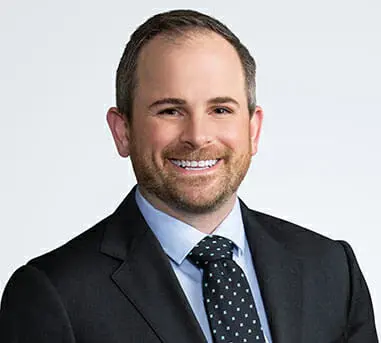
Jeff Segal
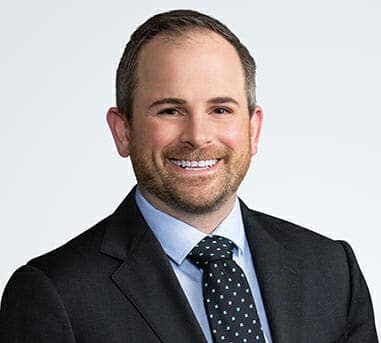
For many health care leaders, this may be the defining question of the moment.
Hospitals continue to navigate increasing labor costs, technology investments, cybersecurity obligations, infrastructure needs, and growing demands for services. At the same time, reimbursement pressures continue to affect nearly every aspect of health care operations. Whether the discussion involves Medicare, Medicaid, commercial payers, or evolving value-based payment models, organizations are being asked to do more while operating within increasingly constrained financial realities.
As a result, reimbursement is no longer simply a finance issue. It influences decisions involving physician alignment, service-line investments, capital expenditures, governance priorities, and long-term strategic planning.
The question is not simply how organizations are reimbursed today. It is whether their current operating model remains sustainable five years from now. For many health care leaders, nearly every strategic discussion ultimately circles back to the same challenge: how to continue delivering exceptional patient care while maintaining the financial stability necessary to support the organization's mission.
If Regulators Walked Through Your Doors Tomorrow, What Would They Find?
Health care organizations operate in one of the most (if not the most) heavily regulated environments in the country. Yet compliance and risk management are not merely legal issues; they are leadership issues.
The first question I would ask is whether the organization maintains a genuine culture of compliance at every level and whether its compliance program operates as a substantive, functioning framework rather than a superficial, check-the-box exercise.
Strong organizations do not wait for an investigation, audit, cybersecurity incident, or whistleblower complaint to test their systems. They continuously evaluate whether governance structures, compliance programs, reporting mechanisms, and organizational culture are functioning as intended.
In today's environment, credibility and trust are among an organization's most valuable assets. Protecting them requires ongoing attention long before a problem appears on the horizon.
If You Were Building Your Organization from Scratch Today, Would It Look the Same?
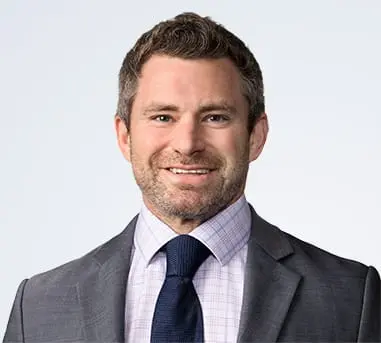
Aaron Beresh
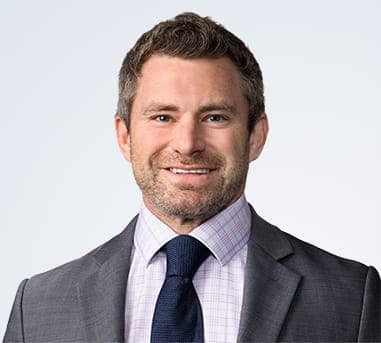
Health care organizations are operating in an environment that is changing rapidly. Market conditions, consumer expectations, technology, workforce dynamics, and financial realities all look different than they did even a few years ago.
As a result, it can be valuable to step back and ask a deceptively simple question: if you were creating your organization today, knowing everything you know now, would you structure it the same way?
Sometimes that question leads to conversations about affiliations, joint ventures, physician alignment, service line investments, or strategic partnerships. Other times it leads to broader discussions about governance, contractual terms, operational priorities, or organizational focus.
The point is not that organizations should reinvent themselves. Rather, it is to ensure that long-standing assumptions continue to support current objectives and future growth.
Five Years from Now, Where Will Your Workforce Come From?
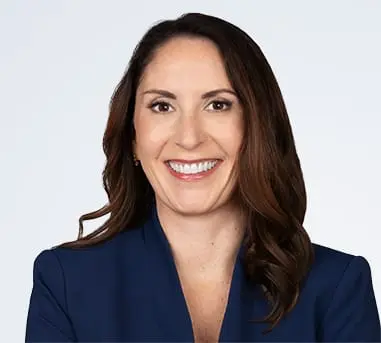
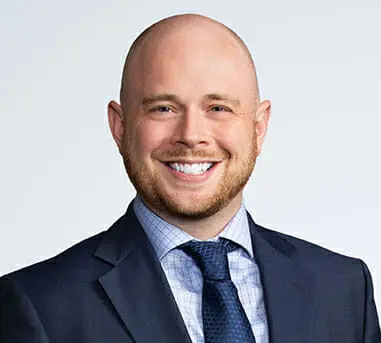
Sarah Bileti and Chris LeClair
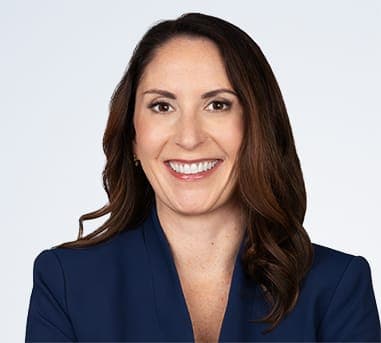
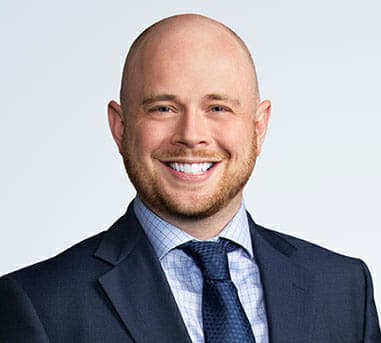
Nearly every health care leader we speak with continues to identify workforce challenges as one of the defining issues facing the industry.
The question is not simply whether organizations can fill open positions today. It is whether they have a sustainable strategy for building the workforce they will need tomorrow.
That conversation increasingly includes physician pipeline development, retention strategies, leadership succession planning, evolving workforce expectations, and, in some cases, international recruitment. As demographic pressures continue and competition for talent remains intense, health care organizations are being forced to think more strategically about where future talent will come from and how it will be developed.
Health care ultimately remains a people business. The ability to attract, develop, and retain talented professionals may prove to be one of the most important competitive advantages an organization can build over the next decade.
Looking Forward to the Conversation
None of these questions has a simple answer.
In fact, what makes them challenging is that they rarely exist in isolation. Workforce decisions affect financial performance. Reimbursement pressures influence growth strategies. Governance and compliance considerations shape operational choices. Long-term planning requires balancing all of these factors simultaneously.
That reality is one reason the Michigan Health & Hospital Association Annual Membership Meeting remains such a valuable gathering. It provides an opportunity for health care leaders to step back from day-to-day operational demands and engage in broader conversations about the future of health care in Michigan.
Jeff Segal, Aaron Beresh, Sarah Bileti and Chris LeClair will all be attending this year's MHA Annual Membership Meeting, and we look forward to hearing how health care leaders across the state are addressing these and other challenges.
Organizations that proactively address these questions today will be better positioned to navigate tomorrow's health care landscape. If you'll be attending the MHA Annual Membership Meeting, we invite you to connect with our team to discuss these issues and how they may be impacting your organization. We look forward to continuing the conversation on Mackinac and beyond.
Meet the Team
Jeff Segal
Health Care
jsegal@wnj.com
313.546.6138
Aaron Beresh
Health Care
aberesh@wnj.com
313.546.6064
Sarah Bileti
Immigration
sbileti@wnj.com
313.546.6040
Christopher LeClair
Immigration
cleclair@wnj.com
313.546.6116