Warner Norcross + Judd LLP Delivers Win, Preserves Centuries of Established Law
In a decision released today, the U.S. Supreme Court ruled in favor of Isabella County, which was represented by Warner Norcross + Judd LLP, in a property foreclosure case that upheld centuries of established law on the collection of delinquent property taxes.
Justices heard arguments in Pung v. Isabella County in February after Michael Pung, a personal representative for the estate of his late nephew, knowingly refused to pay property taxes on the house in Isabella County. Pung received repeated reminders of his obligation over the course of several years, yet failed to take any steps to meet the estate’s tax obligations. In 2015, Isabella County foreclosed on the property.
Consistent with government practice going back centuries, the Isabella County treasurer sold the property at public auction. The treasurer paid the taxes owed to various local governmental entities. The treasurer later returned the surplus of more than $73,000 to Pung. But Pung demanded the county pay the fair market value for the house – more than twice as much as the County actually received from selling the property.
The Court noted in its ruling: “For hundreds of years, English and American law have allowed the seizure and sale of property as a tax-collection method, provided that the government return any surplus proceeds to the debtor. Neither history nor precedent supports Pung’s contrary argument.
“Pung’s fair-market-value theory would impose unprecedented burdens on jurisdictions that wish to collect unpaid taxes and might well make tax sales impractical. Under Pung’s rule, a tax sale would often net the government a loss, paid out to the delinquent taxpayer himself, rendering tax sales infeasible as a debt-collection mechanism.”
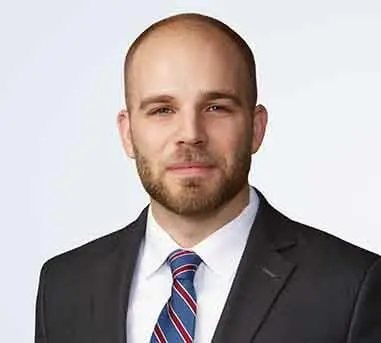
In his successful argument to the high court, Matthew T. Nelson noted that members of a community share the expense of schools, police and fire protection, roads and other government functions through property taxes. People who don’t pay their taxes shift the burden for those services onto their neighbors. To avoid that problem, the law provides a lengthy process that ultimately ends in foreclosure of a property if taxes are not paid.
“We are grateful the U.S. Supreme Court rejected Pung’s challenge to the constitutionality of the process governments have relied on for centuries to collect property taxes that remain unpaid for years,” said Nelson, a Warner partner and appellate lawyer. “Isabella County and other counties throughout the state of Michigan regularly make herculean efforts to help homeowners avoid foreclosure. But at the end of the day, foreclosure is a tool that needs to remain in their toolboxes.
“Communities need all property owners to pay their fair share to fund the essential government services we all enjoy and benefit from daily. This decision ensures that government retains an important tool to promote the equitable allocation of the cost of government services to all property owners.”
After ruling on the merits of the argument, the Court returned the case to the Sixth Circuit to address “newfound contentions” on the procedure Isabella County followed in its foreclosure.
“We are confident the process Isabella County followed in this case exceeded what the law required,” Nelson said. “The simple fact is that Mr. Pung refused to pay the property tax due after litigating the matter through the entirety of the Michigan court system. After filing the federal lawsuit, Mr. Pung never challenged the adequacy of the auction procedures for the simple reason that the auction was conducted in a manner consistent with the law. We have no doubt the Sixth Circuit will reach the same conclusion.”
Other members of Isabella County’s appellate team included Ashley G. Chrysler, Charles R. Quigg, Joshua J. Reuter, Timothy H. Smith and Michael T. Woo.
Warner is one of the few Michigan law firms with a dedicated Appellate and Supreme Court Practice Group. A team of 10 attorneys, they regularly handle successful cases in the Michigan Court of Appeals, the Michigan Supreme Court, the U.S. Court of Appeals for the Sixth Circuit and the U.S. Supreme Court.
Read the full opinion here.
About Warner
By providing discerning and proactive legal advice, Warner Norcross + Judd LLP builds a better partnership with our clients. One of Michigan’s largest law firms, we’re focused on providing the best legal solutions and exceptional client service to organizations throughout the world. Connect with us on wnj.com, LinkedIn or Facebook.