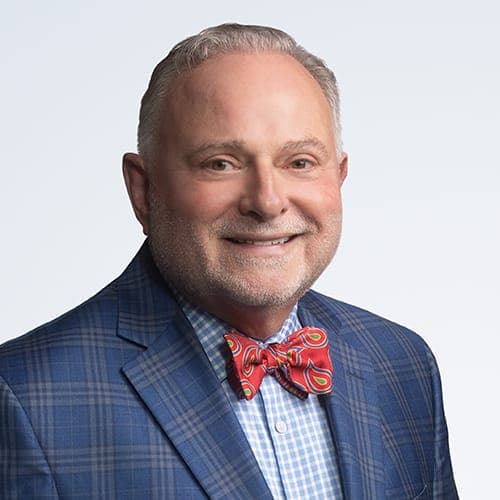
With a new administration on the horizon, many LGBTQ+ couples are worried by rhetoric calling for an end to marriage equality. Warner Norcross + Judd LLP partner Ric Roane talked with WZZM and shared steps that can be taken now to preserve their rights.
“A president can make statements that sound threatening, but it would take a long process for the U.S. Supreme Court to reverse same-sex marriage, similar to what we saw with Roe v. Wade” and abortion rights, Roane told WZZM.
Roane shared it would be difficult – if not impossible – to take away hard-earned rights that validated marriage between same-sex couples. Legal precedents established by United States v. Windsor in 2013 and Obergerfell v. Hodges in 2015 paved the way for millions of same-sex couples to marry, raise families and secure scores of legal rights that can’t be taken away by executive order.
Still, Roane hears the fear and vulnerability in calls he’s receiving from LGBTQ+ families and suggests three immediate steps they can take:
- Estate plan: If you don’t have an estate plan, now’s the time to sit down with your spouse or partner and memorialize your intentions. Draft wills and create trusts to ensure those intentions are carried out. Seek the advice of legal counsel rather than “do-it-yourself” kits available on the internet so your legal rights are protected competently.
- Guardians: If you and your spouse or partner have minor children or plan on having children, be sure to designate their guardians. Your spouse should be your first choice, followed by a trusted relative or friend who will ensure your children are raised the way you choose. “If you have children,” Roane told WZZM, “it’s crucial to have these documents ready in case of the death of either parent.”
- Advanced directives/living wills: Be sure to spell out your advanced directives for health care decisions in the event you’re unable to make those decisions for yourself. Name your spouse or partner to carry out your wishes regarding medical decisions and give them access to your medical care and records under HIPAA.
You can listen to the full interview here.